Time-Series Data for Hybrid Energy System Planning with Deep Reinforcement Learning: A Case Study in Ontario
Manuel Sage, Bi Cheng Zhao, Yaoyao Fiona Zhao
Zenodo (CERN European Organization for Nuclear Research)OPEN ACCESS

ADML brings machine learning and data-driven methods to design and manufacturing — learning from process, sensor, and quality data to make additive and advanced manufacturing more predictable and better understood.
Manuel Sage, Bi Cheng Zhao, Yaoyao Fiona Zhao
Zenodo (CERN European Organization for Nuclear Research)OPEN ACCESS
Mutahar Safdar, Gentry Wood, Max Zimmermann, Guy Lamouche, …, Yaoyao Fiona Zhao
Advanced Engineering InformaticsOPEN ACCESS
Manuel Sage, Khalil Al Handawi, Yaoyao Fiona Zhao
Energy and AIOPEN ACCESS
Fatemeh Elhambakhsh, Hyunwoong Ko, Giovanni Lugaresi, J. H. Xie, …, Yaoyao Fiona Zhao
OPEN ACCESS
Yaoyao Fiona Zhao, Jianpeng Ma
arXiv (Cornell University)OPEN ACCESS
Lingchen Kong, Yaoyao Fiona Zhao
Advanced Intelligent SystemsOPEN ACCESS
MAR-AM is a web-based automated ML-assisted manufacturability analyzer and recommender for AM. This tool can serve as a first-level evaluation of designs for novice AM users such as designers to determine whether their given design is printable through their selected printer. As an ongoing project developed at McGill’s Additive Design & Manufacturing Laboratory (ADML), it has been a valuable research tool. By giving full access to the source, we hope this tool can be useful to lower the threshold of AM processes and support wider applications of AM in the future.
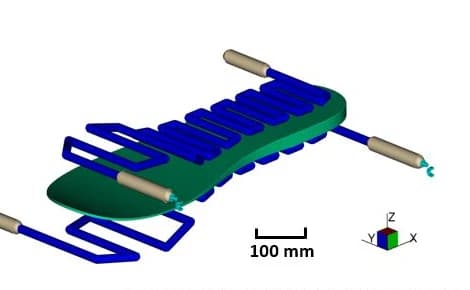
The MLACCD software is designed based on the python tkinter GUI library, and powered by the tensorflow. It contains models of MLACCD implementation, and an expandable design data base. This software provides a user-friendly interface that guide the researchers and industrial users to create their own MLACCD channels with desired conformal cooling topologies to minimize the resulting part surface temperature and increase the part quality.
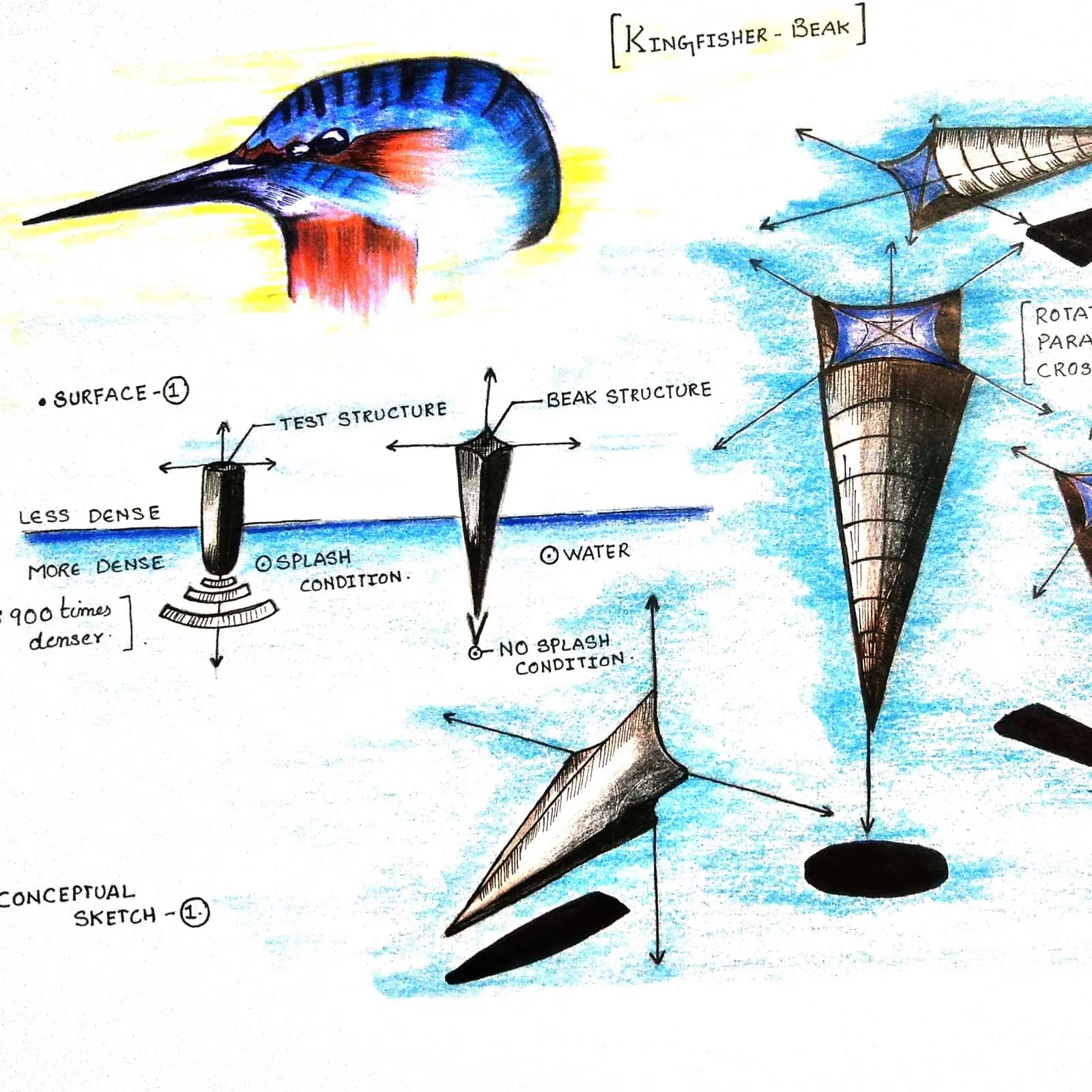
This is an interactive knowledge database for Multifunctional Bio-inspired Design (MBID) Ideation System
SciHIT IE (Scientific Human–AI Teaming for Information Extraction) is a human-centered framework designed to extract structured scientific information from literature using large language models (LLMs). It combines automated natural language processing with expert-in-the-loop feedback to ensure accuracy, transparency, and adaptability.
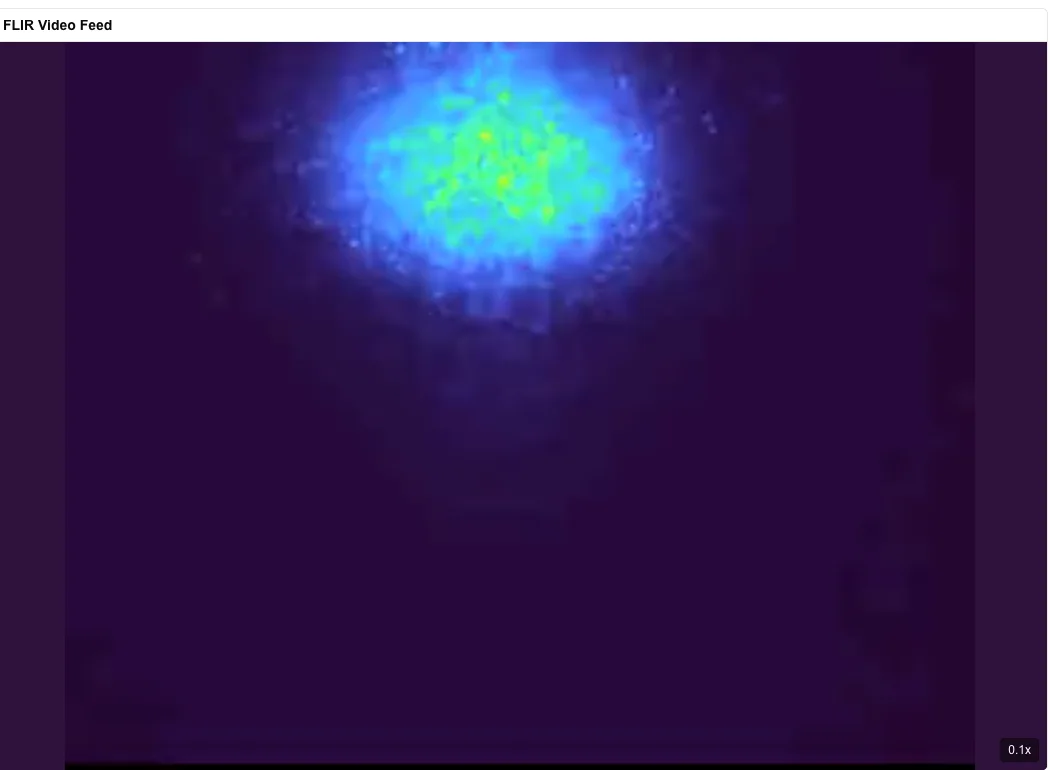
DeepBead supports the on-machine integration of video-based deep learning models for defect detection during the additive manufacturing of metal matrix composites (MMCs). It can be deployed on industrial machines to support both R&D activities and production by providing near real-time analysis of monitoring data. The current version supports the integration of up to two monitoring systems and the detection of up to six different co-existing anomalies in the microstructure of MMCs. To enhance the analysis of monitoring data, predictions from individual video models can be fused for more effective defect detection.