Design for Additive Manufacturing
Yaoyao Fiona Zhao, Yunlong Tang, Sheng Yang, Guoying Dong

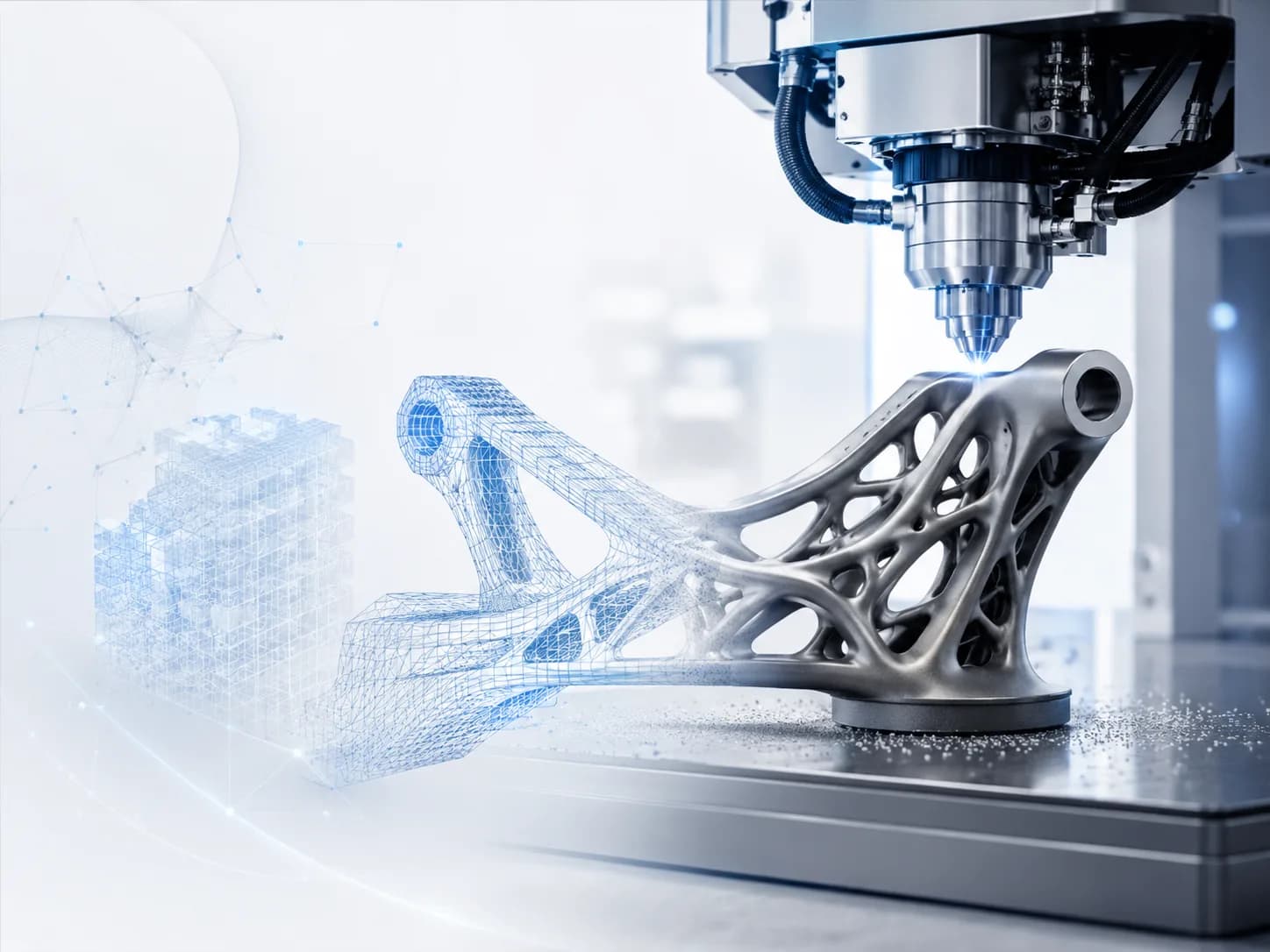
Abbreviated as 'AM' and commonly called 3D printing, Additive Manufacturing have demonstrated its competence in speeding up engineering processes through rapid prototyping. At ADML, researchers work on various cutting-edge AM technologies.
Yaoyao Fiona Zhao, Yunlong Tang, Sheng Yang, Guoying Dong
Mutahar Safdar, Gentry Wood, Max Zimmermann, Guy Lamouche, …, Yaoyao Fiona Zhao
Advanced Engineering InformaticsOPEN ACCESS
Fatemeh Elhambakhsh, Hyunwoong Ko, Giovanni Lugaresi, J. H. Xie, …, Yaoyao Fiona Zhao
OPEN ACCESS
Mutahar Safdar, Bashir Kazimi, Karina Ruzaeva, Gentry Wood, …, Yaoyao Fiona Zhao
Materials CharacterizationOPEN ACCESS
Jiarui Xie, Mutahar Safdar, A. Mircéa, Bi Cheng Zhao, …, Yaoyao Fiona Zhao
Engineering Applications of Artificial IntelligenceOPEN ACCESS
Mutahar Safdar, Gentry Wood, Max Zimmermann, Guy Lamouche, …, Yaoyao Fiona Zhao
arXiv (Cornell University)OPEN ACCESS
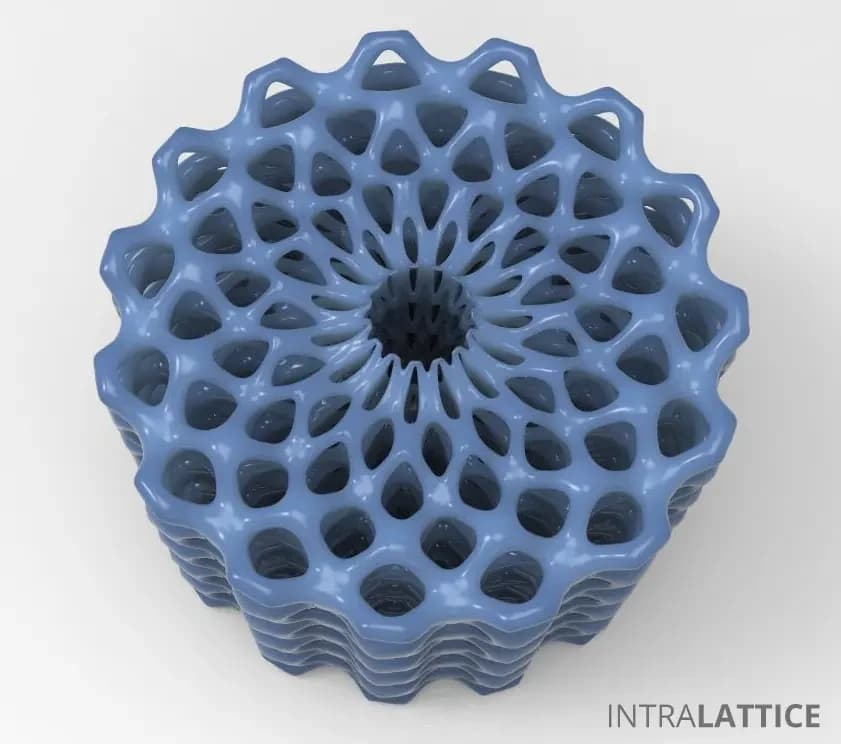
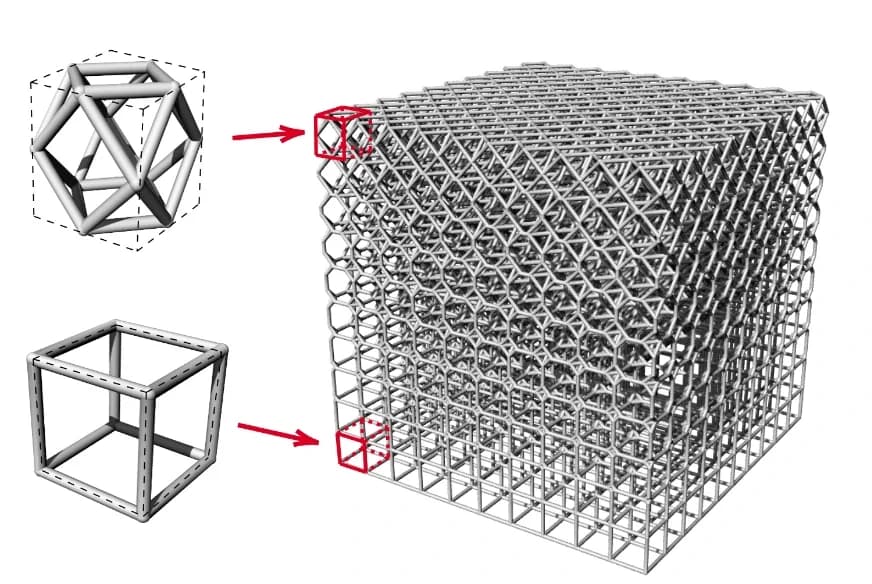
Intralattice is a plugin for Grasshopper used to generate solid lattice structures within a 3D design space. It was developed as an extensible, open-source alternative to current commercial solutions. As an ongoing project developed at McGill’s Additive Design & Manufacturing Laboratory (ADML), it has been a valuable research tool, serving as a platform for breakthroughs in multi-scale design and optimization. By giving you full access to the source, we hope to collectively explore lattice design at a deeper level, and consequently, engineer better products.
SimuLattice is a MATLAB based software to support the simulation-based design of lattice structure. Previous simulation models for lattice structure is either computational heavy or lack of accuracy. The proposed simulation scheme in SimuLattice has three simulation models that can be used in three design stages. It can help designers quickly and accurately get the mechanical property of lattice structures fabricated by additive manufacturing.
ConsolidDesign is a plugin for Rhinoceros to support the identification and redesign of parts candidate for consolidation, which is specifically driven by the extremely expanded design freedoms of additive manufacturing. The design helps designers to semi-automatically identify part candidacy out of a complex product and guides them through the embodiment design step by step.
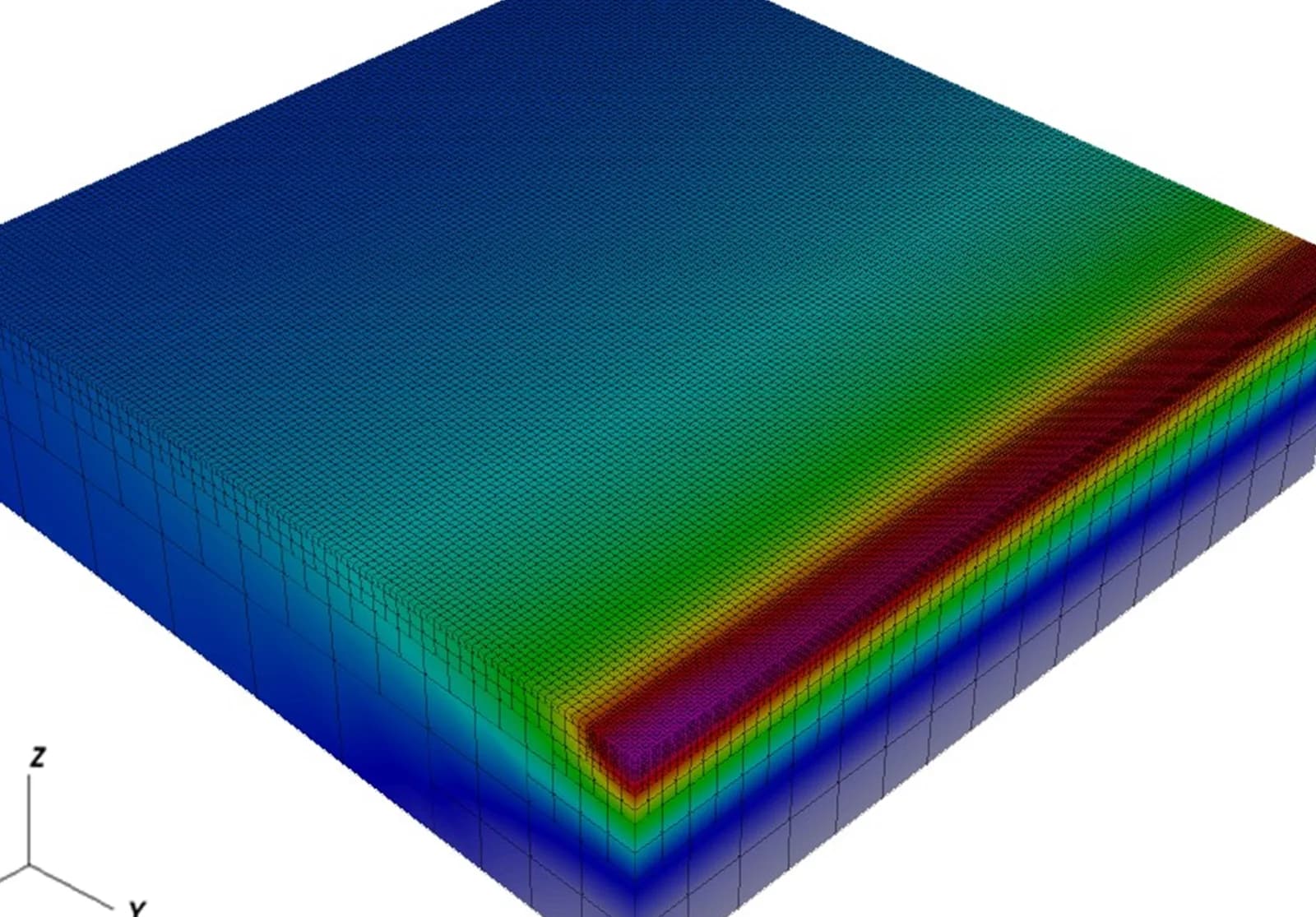
SimuLPBF is self-developed simulation tool for modeling laser powder bed fusion (LPBF) process at full part-level. It is developed based on open source finite element library named Deal.II which can simulate multiple physics process using advanced finite element techniques. This simulation tool helps designers, manufacturers, and researchers in the AM field to estimate the potential printing failures induced by the thermal cycles and to optimize process parameters to improve part performance.
With the rapid advancement of AM technologies, identifying parts which are eligible for AM as well as gaining insight on what value it may add to a product needs to be modelled in an objective and transferrable way. This tool aims at determining the candidacy of a part or assembly for AM based on its economic feasibility and potential for AM-specific benefits (such as lightweight, freeform shapes, and customization). This tool is also featured by its employment of machine learning algorithms with carefully sampled historical data.
MAR-AM is a web-based automated ML-assisted manufacturability analyzer and recommender for AM. This tool can serve as a first-level evaluation of designs for novice AM users such as designers to determine whether their given design is printable through their selected printer. As an ongoing project developed at McGill’s Additive Design & Manufacturing Laboratory (ADML), it has been a valuable research tool. By giving full access to the source, we hope this tool can be useful to lower the threshold of AM processes and support wider applications of AM in the future.
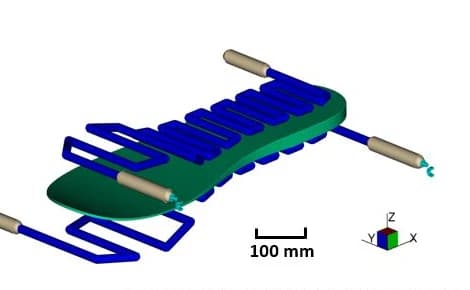
The MLACCD software is designed based on the python tkinter GUI library, and powered by the tensorflow. It contains models of MLACCD implementation, and an expandable design data base. This software provides a user-friendly interface that guide the researchers and industrial users to create their own MLACCD channels with desired conformal cooling topologies to minimize the resulting part surface temperature and increase the part quality.
The emergence of Metal Additive Manufacturing has provided gas turbine design engineers with valuable design options, including the utilization of cellular solids. Nevertheless, there remains a dearth of research concerning the early selection of these structures and their interactions with fluid flows. Lattice structures, known for their adaptability in achieving specific properties such as high porosity, strength, energy absorption, and lightweight characteristics, have been thoroughly explored in terms of their mechanical performance. However, there is a significant paucity of research investigating their flow and heat transfer performance, particularly for strut-based lattice structures.
Welcome to LatticeQuery - an open-source software designed for the modeling of lattice structures. This tool allows modeling of heterogeneous lattice structures, both beam-based and surface-based, and it is built upon the robust foundation of the CadQuery GUI editor. LatticeQuery supports Linux, Windows, and MacOS, making it accessible to a wide array of users.
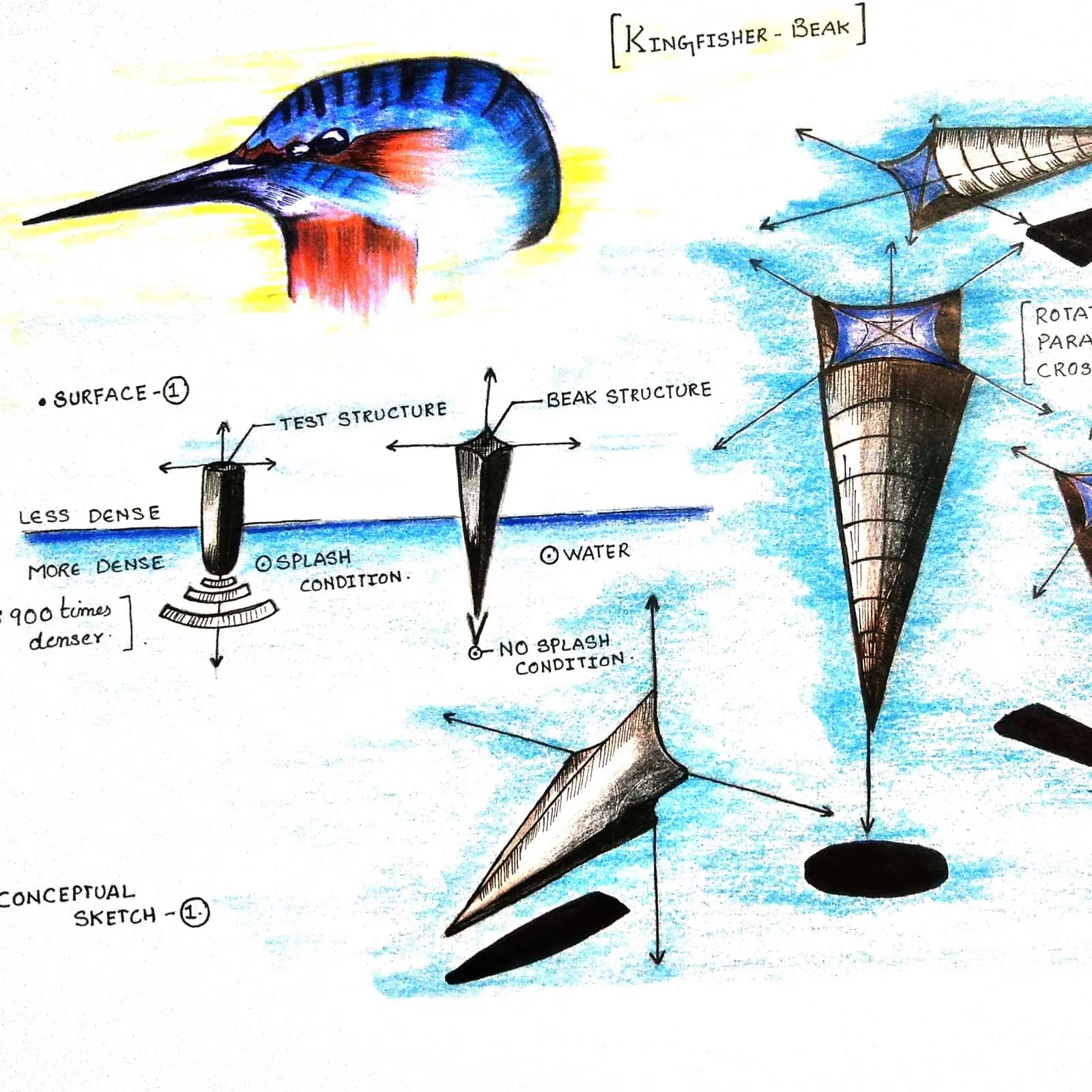
This is an interactive knowledge database for Multifunctional Bio-inspired Design (MBID) Ideation System
SciHIT IE (Scientific Human–AI Teaming for Information Extraction) is a human-centered framework designed to extract structured scientific information from literature using large language models (LLMs). It combines automated natural language processing with expert-in-the-loop feedback to ensure accuracy, transparency, and adaptability.
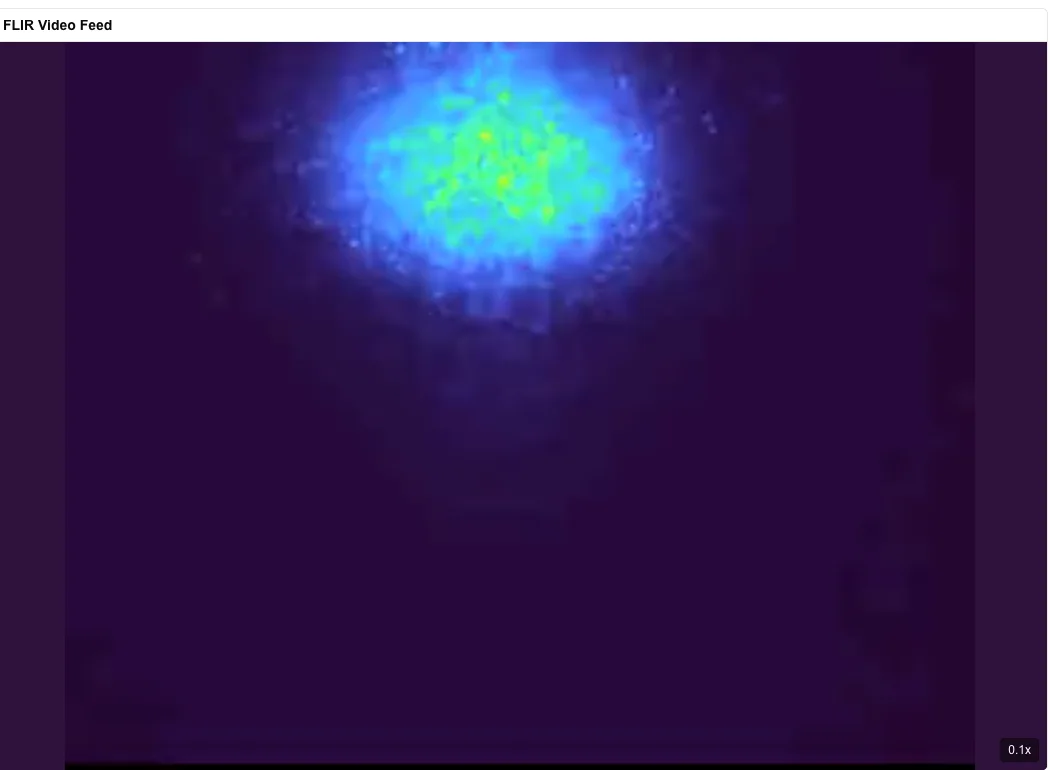
DeepBead supports the on-machine integration of video-based deep learning models for defect detection during the additive manufacturing of metal matrix composites (MMCs). It can be deployed on industrial machines to support both R&D activities and production by providing near real-time analysis of monitoring data. The current version supports the integration of up to two monitoring systems and the detection of up to six different co-existing anomalies in the microstructure of MMCs. To enhance the analysis of monitoring data, predictions from individual video models can be fused for more effective defect detection.